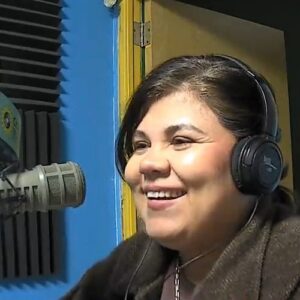
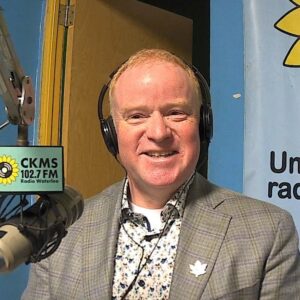
Wazhma Frogh Wazhma Frogh, Kitchener candidate for Mayor, spoke with Bob Jonkman on Monday 5 October 2026 about the issues for the 2026 municipal election.
The views expressed in this program are not necessarily those of the Radio Waterloo Board of Directors, volunteers, sponsors, or advertisers.
All Regional Council candidates, including Mayoralty candidates in Waterloo Region were invited by e-mail, the candidate’s online contact form, or on social media. Some have declined to participate, others have not responded.
Joe Gowing Joe Gowing, Kitchener candidate for Regional Council, spoke with Bob Jonkman on Monday 5 October 2026 about the issues for the 2026 municipal election.
The views expressed in this program are not necessarily those of the Radio Waterloo Board of Directors, volunteers, sponsors, or advertisers.
All Regional Council candidates, including Mayoralty candidates in Waterloo Region were invited by e-mail, the candidate’s online contact form, or on social media. Some have declined to participate, others have not responded.
Jim ErbColleen James Jim Erb, Waterloo candidate for Regional Council, and Colleen James, Kitchener candidate for Regional Council, spoke with Bob Jonkman on Friday 2 October 2026 about the issues for the 2026 municipal election.
The views expressed in this program are not necessarily those of the Radio Waterloo Board of Directors, volunteers, sponsors, or advertisers.
All Regional Council candidates, including Mayoralty candidates in Waterloo Region were invited by e-mail, the candidate’s online contact form, or on social media. Some have declined to participate, others have not responded.
Kevin WhiteMatt Rodrigues Meet The Candidate: Kevin White and Matt Rodrigues, Kitchener candidates for Regional Council, spoke with Bob Jonkman on Thursday 1 October 2026 about the issues for the 2026 municipal election.
The views expressed in this program are not necessarily those of the Radio Waterloo Board of Directors, volunteers, sponsors, or advertisers.
All Regional Council candidates, including Mayoralty candidates in Waterloo Region were invited by e-mail, the candidate’s online contact form, or on social media. Some have declined to participate, others have not responded.
Bryan Causarano-Bolton Bryan Causarano-Bolton, Cambridge candidate for Regional Council, spoke with Bob Jonkman on 30 September 2026 about the issues for the 2026 municipal election.
The views expressed in this program are not necessarily those of the Radio Waterloo Board of Directors, volunteers, sponsors, or advertisers.
All Regional Council candidates, including Mayoralty candidates in Waterloo Region were invited by e-mail, the candidate’s online contact form, or on social media. Some have declined to participate, others have not responded.
Michael Wisniewski Michael Wisniewski, Kitchener candidate for Regional Council, spoke with Bob Jonkman on Tuesday 29 September 2026 about his reason for running, and some of the issues for the 2026 municipal election.
The views expressed in this program are not necessarily those of the Radio Waterloo Board of Directors, volunteers, sponsors, or advertisers.
All Regional Council candidates, including Mayoralty candidates in Waterloo Region were invited by e-mail, the candidate’s online contact form, or on social media. Some have declined to participate, others have not responded.
Simon Guthrie Simon Guthrie, Kitchener candidate for Regional Council, spoke with Bob Jonkman on Tuesday 29 September 2026 about the issues for the 2026 municipal election.
The views expressed in this program are not necessarily those of the Radio Waterloo Board of Directors, volunteers, sponsors, or advertisers.
All Regional Council candidates, including Mayoralty candidates in Waterloo Region were invited by e-mail, the candidate’s online contact form, or on social media. Some have declined to participate, others have not responded.
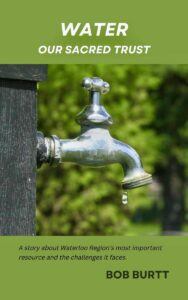
Bob Burtt, author of two books on water issues in Waterloo Region, and Hugh Simpson, groundwater research scientist and professor at the University of Guelph, spoke with Bob Jonkman on Thursday 24 September 2026 about Waterloo Region’s water issues for the 2026 municipal election.
The views expressed in this program are not necessarily those of the Radio Waterloo Board of Directors, volunteers, sponsors, or advertisers.
All Regional Council candidates, including Mayoralty candidates in Waterloo Region were invited by e-mail, the candidate’s online contact form, or on social media. Some have declined to participate, others have not responded.
Lesley CromptonElliott WandLesley Crompton of Unsheltered Campaign and Elliott Wand of ACORN Waterloo Region spoke to Bob Jonkman about housing issues for the 2026 municipal election.
The views expressed in this program are not necessarily those of the Radio Waterloo Board of Directors, volunteers, sponsors, or advertisers.
All Regional Council candidates, including Mayoralty candidates in Waterloo Region were invited by e-mail, the candidate’s online contact form, or on social media. Some have declined to participate, others have not responded.
Stephanie Goertz Stephanie Goertz, Wilmot candidate for Mayor, spoke with Bob Jonkman on Monday 28 September 2026 about the issues for the 2026 municipal election.
The views expressed in this program are not necessarily those of the Radio Waterloo Board of Directors, volunteers, sponsors, or advertisers.
All Regional Council candidates, including Mayoralty candidates in Waterloo Region were invited by e-mail, the party’s online contact form, or on social media. Some have declined to participate, others have not responded.
Rodney Rolleman, North Dumfries candidate for Mayor, spoke with Bob Jonkman on Monday 28 September 2026 about the issues for the 2026 municipal election.
The views expressed in this program are not necessarily those of the Radio Waterloo Board of Directors, volunteers, sponsors, or advertisers.
All Regional Council candidates, including Mayoralty candidates in Waterloo Region were invited by e-mail, the candidate’s online contact form, or on social media. Some have declined to participate, others have not responded.
Natalia Chebel Natalia Chebel, Deputy City Clerk for the City of Waterloo spoke with Bob Jonkman on Monday 21 September 2026 about the process of running the 2026 municipal election, and gives a behind-the-scenes glimpse of the City Clerk’s Office.
The views expressed in this program are not necessarily those of the Radio Waterloo Board of Directors, volunteers, sponsors, or advertisers.
All Regional Council candidates, including Mayoralty candidates in Waterloo Region were invited by e-mail, the candidate’s online contact form, or on social media. Some have declined to participate, others have not responded.
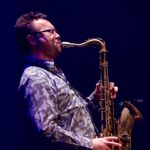
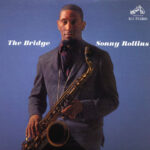
Larry Larson, president of the Grand River Jazz Society, joins Bob Jonkman to introduce some of the performers for the 16th season of jazz at The Jazz Room. Performers include Dave Wiffen, Anthony D’Alessandro, Quisha Wint, and the Barry Elmes Quintet who will be performing a Sonny Rollins tribute.
Larry Larson tells of his history switching between jazz, classical, and back to jazz. Larry tells us playing jazz is freeing. His major influence is Chet Baker. Bob and Larry talk about improvisation. Talking about adapting other styles to jazz, for example a jazz waltz.
15m01s
Larry talks about his time with The Jazz Room. He introduces the Dave Wiffen Quintet, who open the 16th season on Friday 11 September 2026.
Larry talks about playing with Dave Wiffen. Larry plugs The Jazz Room opening night again, and talks about the Emile d’Eon’s B3 Organ Jazz Trio appearing on Saturday 12 September 2026.
24m44s
Larry talks about Anthony D’Allessandro, who performs on Sunday 4 October 2026 with a Gershwin Tribute. Larry introduces Green Sauce.
Talking about Anthony D’Allessandro and the origins of Green Sauce.
33m53s
Talking about the Soul Series, which attacts a different audience from the regular jazz-goers. The Grand River Society pass gives access to both series, so there has been good cross-over.
Bob almost didn’t recognize the music as 1970s disco music. Talking about transforming other genres into jazz.
40m05s
Talking about booking performances in chunks: The season goes from September to the end of June, Larry has booked September to New Years so far. Larry teases us with a special super-star guest on 9 and 10 May 2027, but he can’t announce it yet. The January to March calendar will be announced in November, and there are already a few bookings for April to June. When The Jazz Room started they had to find artists, now artists come to them. There can be four times as many requests than spots available.
Reviewing The Jazz Room website, the calendar is right on the front page, and it’s easy to buy tickets. But all the season’s passes are already sold out. Larry mentions the year end closer, Tom Nagy’s Christmas Spectacular on Friday 18 December 2026 and Saturday 19 December 2026.
57m25s
Bob gives the end credits.
CKMS Community Connections airs on CKMS-FM 102.7 from 3:00pm to 4:00pm on Mondays.
Robin Arnott of the Parkinson Society Southwestern Ontario tells Bob Jonkman about the work PSSO does, the Walk for Parkinson’s fundraiser, and their annual conference. She describes the symptoms of Parkinson’s Disease, tells us about the work of the support groups, the Graduate Student Scholarship Program , and some of the differences she sees in the different communities she supports in southwestern Ontario.
Introducing Robin Arnott and the Parkinson Society Southwestern Ontario, explaining what PSSO does, and talking about the Walk for Parkinson’s. PSSO is not a medical organization, but offers social support, webinars, and an annual conference. Working with local neurologists, nurses, and other experts. Robin gives details on the Fall Regional Parkinson’s Conference.
7m20s
Talking about the extent of the Southwestern Ontario East Region. There are walks in each area, fourteen diffent locations. Every year they break the record for highest fundraising.
9m15s
Robin explains what happens in a support group.
10m25s
What is Parkinson’s Disease? Robin makes a disclaimer that she’s not a doctor, but gives a good description of the symptoms: tremors, mental health issues, digestion, communication. But there are many symptoms that Robin hears about for the first time. Parkinson’s is a varied disease. Some people have good experience with diagnosis, but it can take a long time for others. It might be up to 20 years of living with symptoms before diagnosis. The Parkinson’s Society doesn’t require a diagnosis to provide support, they support people. Shoutout to the YMCA of Three Rivers: Guelph, Kitchener, and Cambridge, who have provided exercise programs for people living with Parkinson’s. Exercise can help with the management of symptoms.
16m40s
Robin tells us about the support groups, the different ways support groups work. There are support groups for care partners, separate from the people they’re supporting. The location of support groups aren’t publicly announced for privacy reasons, but are available by registering on the website. Communication can be by e-mail, postal mail, whatever works for people. People are directed to support groups based on their needs. There is no cost to the participants for support groups, only the conference has a fee. Sponsorships from local businesses help fund the support groups. Sponsors get some marketing boosts through the Parkinson Society. There is still a need for sponsors for the Walk for Parkinson’s.
24m29s
Talking about the history of Parkinson’s Disease, and the progress in research. There are reseachers funded through the Graduate Student Scholarship Program funded by the Parkinson Society Southwestern Ontario. The research is neurlogy-based, not so much the social aspects, or accessibility requirements. Advocacy for laws like Accessibility for Ontarians with Disabilities Act (AODA) is left to other organizations. But PSSO does pay attention to accessibility for their conference and support groups.
29m25s
Walk for Parkinson’s is a great way to let people know about Parkinson’s, there is not a big understanding of how prevalent Parkinson’s is. Robin provides us with some statistics. Bob wonders why a fundraiser for a mobility-based disease is done as a walk. Robin goes over the different non-walking activities. Pre-registration on the website is encouraged, but people can register for the walk at 10:00am on Saturday 12 September at Kiwanis Park in Kitchener.
Robin tells us about her role in the Parkinson Society Southwestern Ontario, and the work in different communities. Robin tells of the volunteers and the work they do. Aside from volunteers who work in adminstration or for the fundraiser walk, there are volunteer support facilitators. PSSO will interview people for that role, and provides practice groups and annual training. A support group facilitator is the moderator for the conversation in the support groups.
44m21s
PSSO was formed in 1993, starting with local support groups. There’s no national or international network of Parkinson’s Societies, although there are organizations that do world conferences. More global sharing is needed. PSSO concentrates on local support. There are regional variations in support, some rural areas have no neurologists so people need to drive to urban centres. But the biggest obstacle to be overcome is awareness of PSSO and the needs that still exist. The YMCA provides space, but the need is outgrowing the available space. There’s an online Kaffee Klatsch every Monday, for discussion on things not directly related to Parkinson’s.
50m10s
Robin summarizes the events at the October conference, and the Walk for Parkinson’s. Bob gives the end credits.
CKMS Community Connections airs on CKMS-FM 102.7 from 3:00pm to 4:00pm on Mondays.
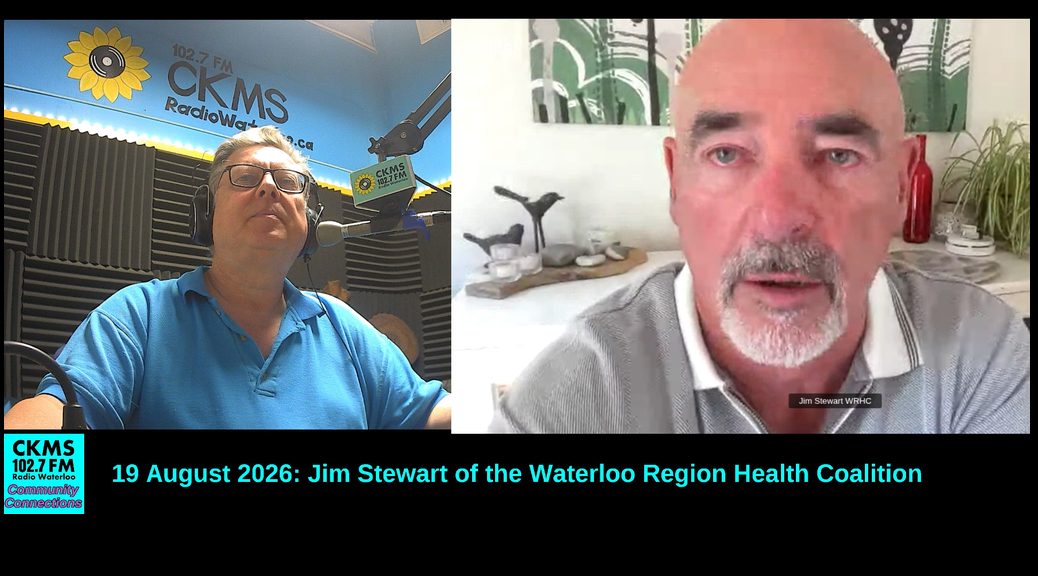
In this special edition of CKMS Community Connections Jim Stewart returns to speak with Bob Jonkman about the operational budget strangulation experienced by Ontario hospitals, the impending implementation of two-tier, private health care in Alberta, and the rally at Noon on 1 September 2026 at the office of the Hon. Bardish Chagger, 100 Regina Street South in Waterloo, to convince her and other Liberal MPs to enforce the Canada Health Act to stop the privatization of our public health system.
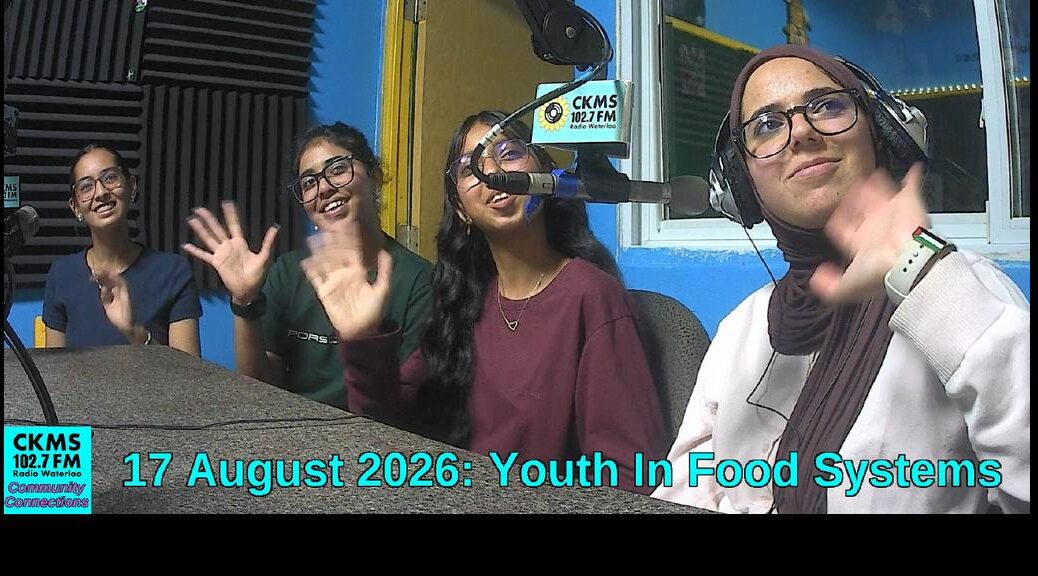
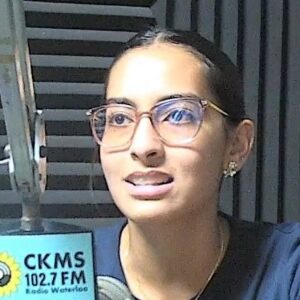
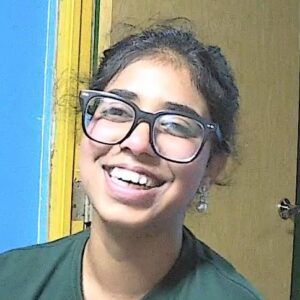
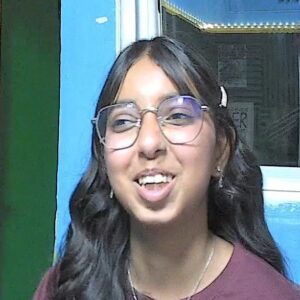
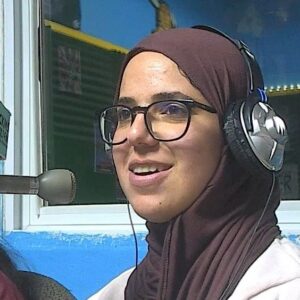
JahanviNoorManahilLuma Jahanvi, Noor, Manahil, and Luma from Youth in Food Systems talk to Bob Jonkman about the YFS program, the markets and the gardens, high school volunteer hours, how the program is set up, their plans for the future, learning to garden, educational aspects of gardening, agricultural careers, spreading their gardening knowledge, leadership paths in YFS, and they all offer advice to next year’s students coming into the program.
The guests introduce themselves, and what Youth in Food Systems is. Luma lists the locations of the markets and the gardens, and tell us what they do there. Manahil, Jahanvi, and Noor tell us what they do at the markets and the gardens.
10m08s
Jahanvi, and Manahil tell us how they got involved. Partly it’s the compulsory 40 volunteer hours that high school students need, but that’s only the start.
12m40s
Luma is not a volunteer but a program assistant. She tells us how she got involved. She loves gardening, and wants to support the youth in the program. She tells us more about the program: 50 youth, six to seven in each garden, and seven to eight at the markets. There are four program assistants. Funding comes from some of the partner organizations listed on the YFS website. When the program ends Luma will continue going out the gardens. She’s flexible about entering a leadership career or an agricultural career.
16m40s
Noor, Manahil, and Jahanvi tell us about their plans for the future. Bob asks about getting their hands dirty in the garden, but they’re OK with that.
22m40s
Manahil tell us how she learned to garden. Luma tells us about the educational aspects of the program.
25m25s
Bob explores agricultural careers with Jahanvi, the effects of knowing where food comes from with Noor, the funnest thing that Manahil has learned from the program, and if Luma has been in the gardens and got her hands dirty.
31m22s
Bob asks if the gardeners have used their skills in places other than the YFS gardens. The YFS garden beds are at the schools where the gardeners go to school. They’ll join the school garden club to continue work in the gardens.
39m13s
Bob asks Luma if there is a path to leadership for the participants, she expects the current gardeners to come back as program leaders. Bob asks about the structure of YFS, it’s a small team, only in Waterloo Region. Seeds of Diversity is the main organization, YFS is a part of that. The need for volunteers continues after the program ends. Luma says pay attention to YFS Instagram page @youthinfoodsystems, also Cameron Heights Eco Club’s Instagram page: @chci_community.garden. Sign-up for next year’s program may begin as early as March. You can also join later in the year. Jahanvi tells us of Volunteer Waterloo Region, which also directs people to YFS. Applying to YFS is easier than applying for a job.
44m20s
Manahil is definitely coming back next year, Noor will do this until she graduates. Jahanvi is feeling the stress of applying for university, but will join again.
45m55s
The most valuable advice Noor offers is that students shouldn’t do this only for the volunteer hours. Manahil advises people to engage, read your e-mail. The most difficult thing Jahanvi learned is stepping out of her comfort zone. Noor says she’s an extrovert, that helps make people comfortable. Manahil says be yourself, don’t change your personality for others.
51m24s
Luma sums up the desiderata of YFS, and gives out contact info. Bob gives the end credits.
CKMS Community Connections airs on CKMS-FM 102.7 from 3:00pm to 4:00pm on Mondays.
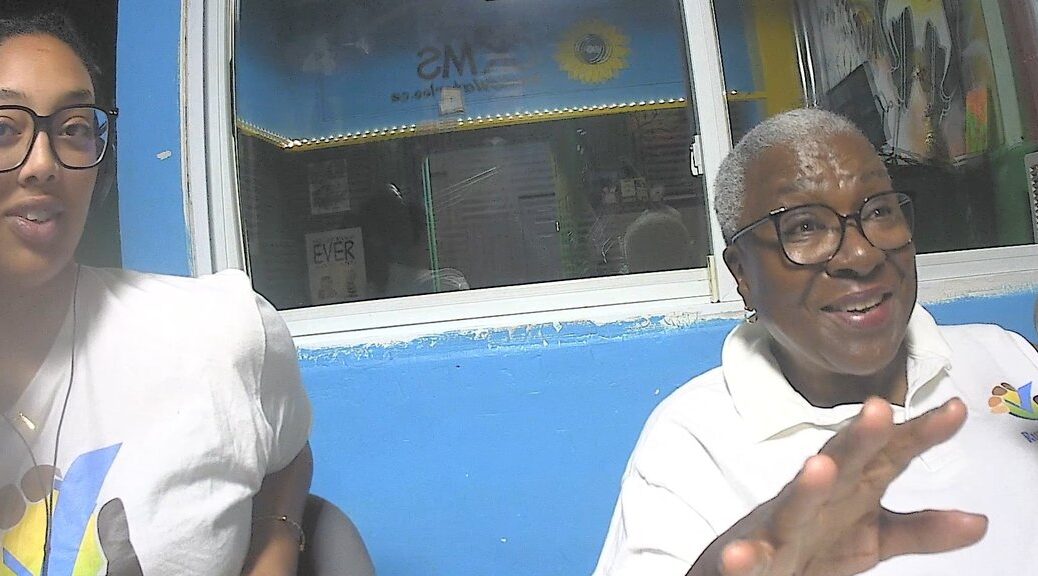
Lulia Habtemicheal and Marcia Smellie of Run4OfficeWR talk to Bob Jonkman about getting people to run for office by getting them out to vote, and fostering civic engagement. They’re talking to people, young people especially, about the functions of government and the role of politicians. They host a “Guest Speaker Series”, local people who have run for office who speak about the experience and answer questions.
Marcia talks about the skill of listening, and Lulia tells us the importance of just one vote. Marcia gives some information on voting, and Lulia tells us of the upcoming events.
Introducing Lulia and Marcia, and Run4OfficeWR. The goal is to have people voting, voter turnout was about 25% in the previous municipal election. There is a Project3000 to get 3000 people to register to vote. Run4OfficeWR is out at the summer festival to encourage people to vote. Civic engagement starts at the local level, but since Covid volunteering has decreased, and with it involvement in the voting process. The goal is to get people to understand the roles of the various levels of government; for this election that’s Mayors, Councillors, Regional Councillors. Marcia explains what Civic Engagement is, the issues that affect people. People come to Waterloo Region because it’s safe, there are good schools, it’s a place where people can own a house. It’s important that people get voter information in an un-threatening way.
9m23s
It’s an obligation of citizenship to be politically engaged. People are engaged in sports, but there are other roles in the community. People may not know their neighbours. The demographic that is engaged is the gray-haired crowd, but not so much younger people. People who are in municipal government now will be retiring, so we need young people to take those roles. But Lulia is not part of the gray-haired crowd, she says there are many youth who are interested in what Run4OfficeWR is doing. But they don’t know what the responsibilities of different tiers of government do. People need to be comfortable enough to receive ideas and criticism, make sure the doors (and their ears) are open. Encouraging people to write letters, contact their representatives, engaging in protests, writing petitions, and meeting with politicians. Attending council meetings can be done online now, on social media.
16m15m
Marcia is really concerned about getting the young vote out, the reason for having a young person doing outreach (Lulia). Encouraging young people to volunteer with Run4OfficeWR by feeding them at meeting, give them a T-Shirt, and sometime even give them an honorarium. Even in the summer there are students who are still here, attending summer festivals, an opportunity to interact with them.
The “Guest Speaker Series” is held on the first Friday of every month, until October. Last month the speaker was Marjorie Knight. The goal is to let people know that politics is not so distant, people are approachable. Run4OfficeWR is focusing on people from African or Black communities, and people from underrepresented groups; these people have a more “niche” experiene. Marcia says people think politics is boring, and people are more interested in what is far away. But these sessions, where people meet people from their own communities, it’s right there and you can’t ignore it. People linger after the sessions with many questions, “What did you need to start a campaign?”, “Why did you run?” Providing advice and answering questions is done after the speaker sessions, best done one-on-one. It’s a bit like campaign school, Run4OfficeWR can direct people where to get more information.
28m49s
Marcia says that one of the most important skills is listening. Sometimes it is necessary to listen to things that don’t jive with your values. But you need to listen to them as well, respectfully, and sometimes say that this is not something you can support. That lets people know you’re open to listening, even if you don’t agree. It’s hard, but rewarding work. Most important, you have to know your “why”. The stereotype of politicians is that they use words without saying anything. Marcia says the plain-speaking politician still exists, and Marcia intends to vote for some.
32m25s
Talking about tight races, a single vote can make a difference. It just happened in Quebec, settled by the courts, and it happened in Kitchener where a single vote decided the Victoria Park riding. Lulia says every vote counts. Bob is distressed by the number of vacancies that are still not filled — in Wellesley, Woolwich, North Dumfries; and the number of incumbent candidates who have not yet said if they’re running or not. Marcia says that it’s too bad we only vote every four years, because people forget about it. In Toronto the libraries have a centre for democracy so that people can learn about democracy on a continuing basis. And we need to make it fun to learn about democracy. Councillors get invited to lots of events: block parties, barbecues. Marcia explains how candidates can prepare for a campaign even without the backing of a political party. And it’s important to know how to ask for money, but it’s not a huge amount of money at the municipal level. Social media is a big help. Candidates may have to pay for services, but sometimes people donate their skills to help a campaign. Lulia says that it’s important that candidates remain visible. Bob and Marcia find it bizarre that some candidates have no visibility at all.
Bob is surprised that Run4OfficeWR is not a provincial or national organization he’s seen Run4OfficeWR everywhere! Lulia says there are the three founders (Marcia is a founder!), and five or six people. Marcia says that being physically present at festivals and other locations makes a big difference. Online voter registration ends on 12 August, but you can still register at the polling offices on the day that you vote. But you’ll need ID, be at least 18 years old, and a Canadian citizen. Marcia says this is the most exciting organization she’s ever volunteered with. This is her way of contributing to the political process. Marcia points out that local issues are important. Bob says the pothole in front of your driveway is more important than the pipeline across the country. Marcia tells us about the local issue of data centres.
49m35s
Lulia and Marcia go over the different ways of contacting Run4OfficeWR, their website, and social media. Come to their events! Volunteer at their events! There will be food! Lulia tells us about the upcoming events, the Speaker Series, and a “I Voted” celebration.
51m59s
Marcia and Lulia thank Bob; Bob thanks Marcia and Lulia and gives the end credits.
CKMS Community Connections airs on CKMS-FM 102.7 from 3:00pm to 4:00pm on Mondays.
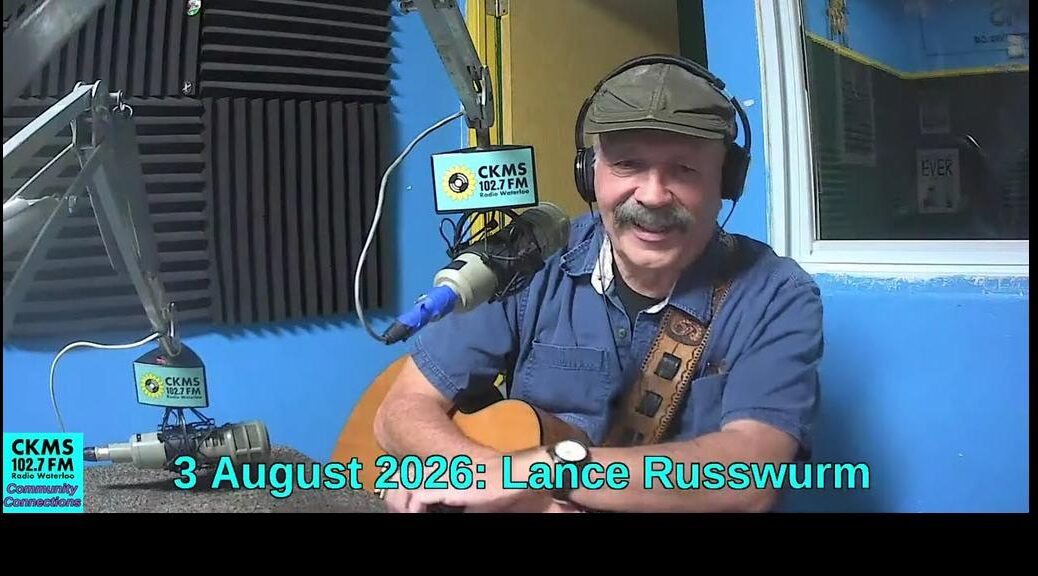
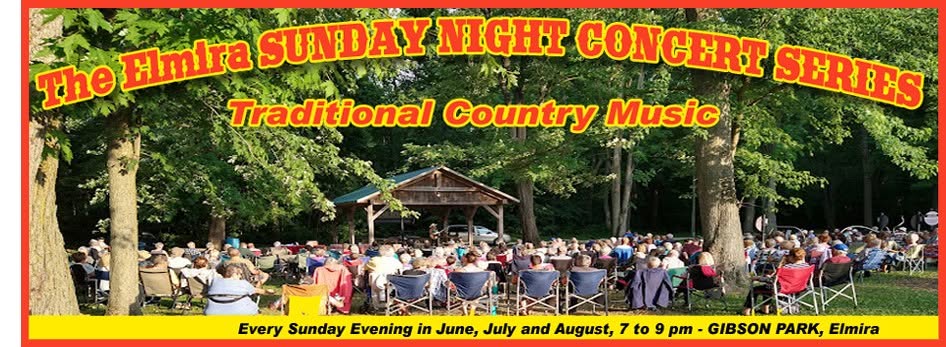
Lance Russwurm tells us about his early exposure to music with his parents Lynn and Laura performing country music, learning music in high school, playing in Lynn’s band, how Lynn wrote and submitted music, Lynn’s collaboration with Hank Thompson, and the song “I Cast A Lonesome Shadow.” He tells us about the CKNX Barn Dance, on radio and as revivals through the years. Lance produces the Elmira Sunday Night Concert Series at Gibson Park in Elmira. And Lance tells us about his artwork, and trading art for airplane rides.
The interview starts at 3m45s.
Lance appeared in a three-part episode of Musician’s FAQ with Stuart McKie in January 2021.
Lance tells us about his first exposure to music: Running around in the aisles while his parents played on stage, listening to The Beatles on The Ed Sullivan Show, meeting Ian Tyson, and listening to Gordie Lightfoot and Joni Anderson. Playing in Jimi Hendrix and Steppenwolf in high school, dropped out, and started to play in his dad’s band, all over Southern Ontario. Lance was shy, and had to be coaxed into singing by his dad. Lance had no formal music education, but that was common for many musicians. Today Lance does recommend getting a formal musical education. Mike Slauenwhite, a violinist with the KW Symphony Orchestra, moonlighted in country music bands playing fiddle because that paid better. He’d play with The Ice Capades because he could sight-read music. Lance’s dad Lynn Russwurm had piano lessons when he was young, and wrote out the sheet music for his songs when he sent them out to publishers. Lance can pick up things by ear, but has to try every possible chord to find the right one.
11m02s
In the 1970s people started submitting music on tapes instead of sheet music. Lance remembers Lynn would be in the basement making demo tapes. Lynn wrote a lot of music that was recorded by other people. One such musician was Hank Thompson who recorded “The Wild Side of Life”, about a guy stuck at home with the kids while his wife was out hitting the honky tonks. Then Kitty Wells recorded the answer to that, “It Wasn’t God Who Made Honky Tonk Angels”. That’s a genre of country music called “Honky Tonk”, which became popular when Lance was playing. It’s about cheatin’ and drinkin’ and truck drivin’. Hank Thompson bought a song from Lynn Russwurm outright, so that Lynn gave up the copyright and royalties, something that wouldn’t happen today. After that Lynn and Hank co-wrote a number of songs, sharing the credit.
14m35s
Lance particularly remembers one song, “I Cast A Lonesome Shadow”. It was on a number of Hank Thompson albums, but it was never a hit, probably too weird for the country musicians of the time. Merle Travis, the inventor or finger picking or “Travis Picking” plays on the song. There were some royalties, not much, and the song appeared in collections from time to time. But then in 2003 (not 1999) it was covered by Martin Gore of Depeche Mode, and suddenly the song made some wild royalties. Lynn and Hank Thompson had no idea who Depeche Mode was, but got a kick out of it. Later “I Cast A Lonesome Shadow” became popular with rockabilly bands, and then a recording by Sonny Crockett was used on the TV series “American Gods.”
Lance says “The song has legs.” Lynn sold a number of songs to other musicians as well. Lance reminisces about Lynn and Laura performing on “The Barn Dance Show” on CKNX radio. Lance played on some Barn Dance shows in the 1970s. Lynn did a revival in the 1980s, and with Earl Heywood revived the live performances in the 1990s. There are still occasional Barn Dance revivals today.
24m30s
Lance talks about the start of the Elmira Sunday concerts. Lynn started playing in the Elmira Gore Park gazebo, at first to a few dozen people, and eventually to hundreds of people who were spilling out of the park and blocking the road. Lance took over in 2016, but shut down because of Covid in 2020. Then the concerts resumed in 2023 in Gibson Park where there was more room. It’s the only place where you can get real Country music these days.
Talking about songwriting. Lance has written about 25 or 30 songs, but Lynn wrote over 700. Lance talks about his CD, about one third his dad’s songs, one third his songs, and one third classic country songs.
35m45s
Hot Gen!Music was not Lance’s full-time gig, he was a commercial artist. Specializing in old mechanical things, old house, old airplanes, old trains. One print that’s well known in the area of the old Kitchener city hall at Christmas time. Lance has a lot of art in the Hamilton Warplane Museum. It’s not an art gallery, but a museum where they restore old planes. Lance was selling his art out of a gallery in St. Jacobs, where he met some people from the museum which rekindled his interest in old planes. An old school friend who became a pilot now flies the Lancaster bomber out of the museum. Lance hasn’t just painted pictures of planes, he’s painted the planes themselves — nose art and engine art. Lance tell stories of flying in those planes.
42m39s
Lance has also painted murals all over Southern Ontario, starting with the firehall in New Hamburg. He’s trying to be retired, so he’s turned down some jobs for murals. He wants to concentrate on other hobbies, like model trains. Between both art and music, Lance feels he’s spread too thin, not an expert at either. He enjoys blending the art and music, like making the cover for his CD.
Analyzing the musicology of Bob Dylan’s music. The phrasing of his songs is the way people talk. Jimi Hendrix and Mark Knopfler sing with Bob Dylan’s phrasing. Bob Dylan had a huge influence on music. Lance relates his progression through musical genres.
52m25s
Lance gives a recap of the Elmira Sunday Night Concerts. Lance does some Travis Fingerpicking to play out the show while Bob gives the credits.
CKMS Community Connections airs on CKMS-FM 102.7 from 3:00pm to 4:00pm on Mondays.
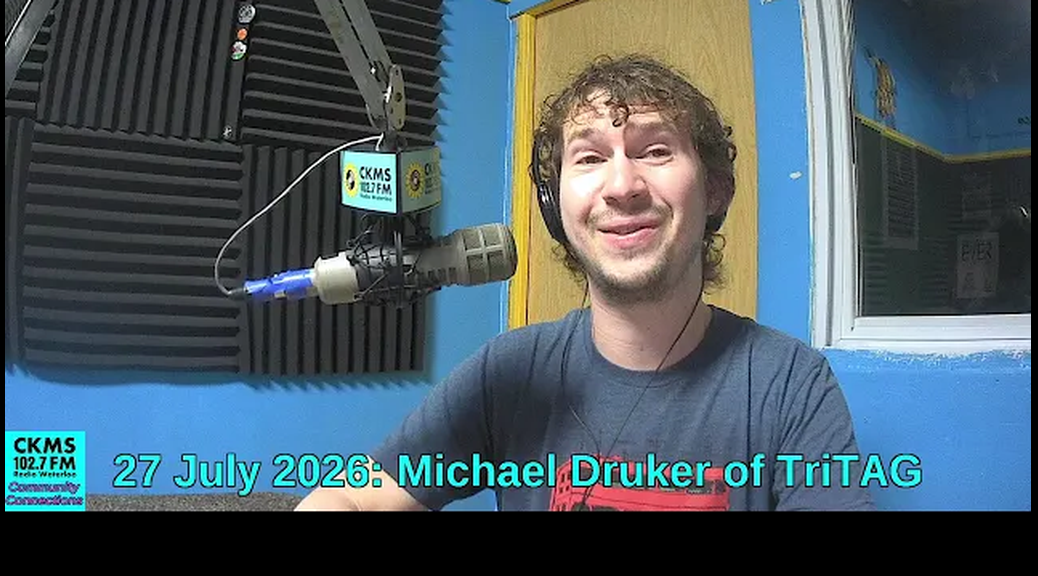
Michael Druker of TriTAG joins Bob Jonkman to talk about all things transport, traffic, and transit. Michael tells Bob about the history and the work that TriTAG does, how TriTAG performs its advocacy, some interesting details on the Light Rail Transit project and Phase Two now being built to Cambridge, how Phase Two can avoid the pitfalls of transit projects in other cities, other projects of TriTAG like the Frequent Transit Network, and the resources available on the TriTAG website.
Michael Druker introduces TriTAG, a local organization that’s been around since 2009, that’s all about people being able to more easily walk, bike, and take transit in Waterloo Region. The advocacy takes place through events, info tables at events, but the focus is on the website, the newsletter, news roundups, and the deep dives they do on policy topics and advocacy focus. There will be an election questionnaire for the upcoming municipal election. Sometimes TriTAG presents at municipal councils, and will sometimes reach out to staff or politicians, but mostly they encourage the public to get in touch with their elected officials.
6m50s
Right now the City of Kitchener is working on their Mobility Master Plan, something where more public input can really make a difference in what gets prioritized. It’s possible to be invested in a policy that’s just not possible due to, for example, budget constraints. Providing positive feedback as well as negative is very valuable; positive voices is something staff and politicians will listen to; they like to know their efforts are appreciated. But it’s easy to take things for granted when they are going well. Is it social media that’s responsible for negativity with council projects? Not just transport but housing and finance. TriTAG can offer a balanced view. It’s not useful to despair or not despair based on the social media algorithms. Michael has not seen a trend, either positive or negative, driven by social media. There are things that capture people’s imagination, in a way that other things don’t, even though they’re important. It depends on how much work is put into public engagement.
12m11s
Introduction to Cold Shoulder by Awake & Dreaming.
Does TriTAG reach out to the province on provincial transporation issues? Not really, most of their advocacy is local.
16m48s
Michael gives some of the history of TriTAG, starting in 2009 with the “Waterloo Region Rapid Transit Project.” Even then, the vision of TriTAG was to give people a choice is choosing their mode of transport: Walking, biking, transit. The issues even extend to land use. TriTAG lost some steam after Light Rail Transit was established in Waterloo Region, but it is now getting a fresh start. Even if transport issues appeas completely solved, there will still be a role for TriTAG. Bases on past performance, there will be lots to do in the future. Even now, there is an approved project for Phase Two of the LRT to Cambridge.
21m30s
The LRT was planned in two phases, there was no way that the entire project could have been funded in one phase. But now that Phase One is done, it does what it was designed to do, and people like it. This matters to people, who want to live next to the LRT. Now we need to bring this to Cambridge, but why stop there? One of the themes in the transit world is the cost of transit construction. When the LRT was proposed, it seemed like a really expensive project, but that was because it seemed unproven. Now that it does work, the cost on a comparative scale was pretty low. That’s not the case in other areas (Toronto’s Eglinton Crosstown LRT, Finch West LRT), and there are knowable reasons for why that happened. We want to take better charge of those reasons when we build Phase Two to Cambridge. If we build cost-effectively, then we can build even more transit infrastructure.
25m56s
What’s the resistance to Phase Two of the LRT? The project is approved, there’s an approved route, although there are some land use questions. Today, the actual barrier is funding — the Region of Waterloo is seeking upper level funding. Bob has heard that costs for Phase Two have ballooned; Michael says that cost estimates have ballooned. The cost estimates have gone up, in part from using the same poor cost practices used in the Toronto LRT projects. But we don’t have to follow the lead of those projects, we can follow the lead of Phase One and build it more cost-effectively. TriTAG hopes that funding can be used for programs that are more than just Phase Two. If we keep building, build in stages, build as we build other infrastructgure, then we keep the knowledge of how to build transit. Michael thinks that the main start will probably be delayed until after the municipal election, but there are other small projects that have prepared for LRT construction.
Other projects TriTAG is working on: “Frequent Transit Network”, already in the business plan for Grand River Transit. Frequent transit is a game changer, at 10-15 minute frequency the service changes qualitatively, people don’t have to allocate time for route planning and waiting for transfers. There are already some frequent routes, the challenge is to add frequency on other routes and to make it consistent, on evenings and weekends. TriTAG has just written an article: Why GRT needs a Frequent Transit Network. People already understand frequent transit from other cities and subway systems. Some people in rural areas would be happy with any transit service at all. Frequent service should be cheap and simple, no additional infrastructure is required, no additional ticketing systems, no new bus stops, only some extra buses and operators. Michael says some routes are already doing frequent service at busy times, although additional bus service will require more maintenance and may wear out the buses faster. But the GRT fleet is fairly new, Michael says buses have a service life of about 14 years. Bob has lived in places where the buses were 20 years old.
44m12s
Talking about the things available on the TriTAG website https://www.tritag.ca/: Newsletters, a weekly news roundup with mobility news, walking, biking, transit, and land use, highlighting what people can get involved in, consultations, feedback, events, plus there are analysis posts, and a series on LRT expansion called IONize Waterloo Region. People can subscribe to the newsletter and news roundup, and follow on the TriTAG social media accounts. Bob mentions an article Kitchener to Stratford by Transit. Michael lists a few other good articles, and reminds us of the upcoming muncipal election.
46m10s
Bob thanks Michael and gives the end credits.
CKMS Community Connections airs on CKMS-FM 102.7 from 3:00pm to 4:00pm on Mondays.
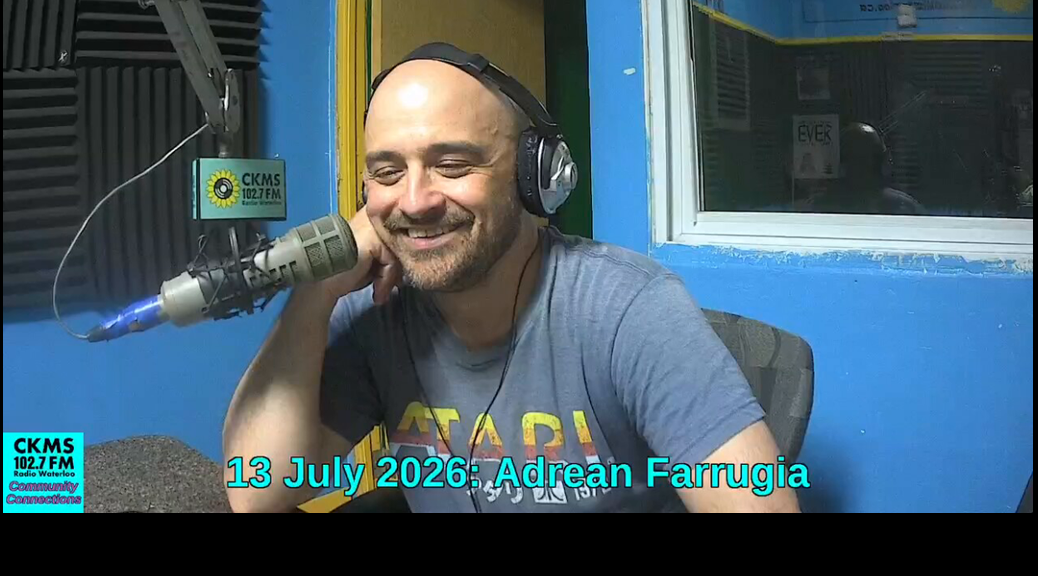
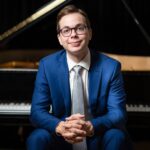
Adrean Farrugia, jazz pianist and educator, talks to Bob Jonkman about improvisation, commercial music, composing music, performing, and Adrean’s performances at the Uptown Waterloo Jazz Festival.
Talking about the time signature of High Five, in five/fourths time. Introducing Adrean Farrugia, pianist, composer, jazz musician, and teacher. Adrean talks about his teaching career and the Contemporary and Commercial Music program at the Wilfrid Laurier Faculty of Music. Laurier celebrated its 50th anniversary, and has expanded its Faculty of Music from mostly classical to jazz.
10m05s
Talking about Improvisation — how can you teach that? There is an impression of “lesserness” for improvised music. But high-level improvisation requires a vast skillset on one’s instrument, a level of technical mastery that is comparable to that of a concert pianist, and on top of that there needs to be a deep grasp of musical theory, and the ability to apply it. Adrean compares improvisation to having a conversation: using a set vocabulary and grammar to spontandeously express ideas. Many of the skill sets for classical music and jazz music are identical, but they are different styles, for different audiences. At Laurier the classical and contempory music is not siloed, but integrated together. Adrean is teaching an improv class equally populated by jazz and classical majors.
16m11s
Is jazz and classical “commercial” music? Not like rock, pop, and hip hop. But the disciplines of rock, funk, gospel, hip hop, country are all rooted in jazz music. If you study jazz then you’ll be quite well equipped to play in a funk or R&B band. Adrean likens it to chef school: Why would a Japanese chef specializing in tepanyaki study French cuisine? But when you study culinary arts you study everything to get broad knowledge, and filter that into a specialty. The vast majority of jazz students don’t become jazz musicians, but become really well educated rock and pop musicians, or film or video music composers. As a “commercial” music program there are courses for music production, and business of music courses to address writing grants, booking tours, promotion.
20m59s
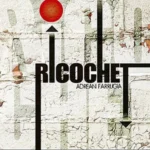
Talking about composing music as a part of “commercial” music. In jazz there is a culture of writing your own music; in classical music a performer can have a good career without ever composing anything. Adrean tells us about composing “production music”, music written specifically for use as licenced music for film. Music is written and performed in particular styles, and searchable in the music libraries. This is not AI generated music! Adrean has produced a few “production music” albums, and has heard it used in movies and commercials. But even with billions of plays on the internet, there is not a lot of revenue from royalties. No-one is getting rich from writing music, unlike the 1950s when someone could write a hit song and retire on the proceeds from that one song. Adrean doesn’t consider himself a ‘Composer’, but a performer who composes.
27m03s
Introducing Blued Dharma, talking about performing as a duo, and how actual jazz music is different from production music.
The challenges of peforming as a duo. Challenging for the listeners too. Talking about playing in other groups, and upcoming albums. New albums provide an excuse for touring and booking some gigs, almost certainly at The Jazz Room.
39m55s
Talking about upcoming performance at the Uptown Waterloo Jazz Festival, Friday at 3:00pm backing for Jessica Lalond, and on Sunday at 1:30pm with his own band: Adrean Farrugia on Piano with bassist Roberto Occhipinti, drummer Ethan Ardelli, saxphonist Allison Au, and special guest Brad Good on trumpet. Shoutout to Derek Hines, the music director for the Jazz Festival. Festivals have been declining, but Adrean says they’re important cultural events for communities.
44m00s
Cultural events provide a way for an audience to be connected to performers — it is too easy today to not engage with the rest of humanity. But Adrean sees just the opposite in the students he teaches; some reject technology in order to hang out “in real life”. Adrean gives the example that young people have far more diverse Spotify playlists than older people. Older generations derived their identities from music, but younger people listen to music because they like it. One silver lining to streaming services is that it makes music more accessible. Adrean says today’s music students are leagues better than students from the 1990s. But the convenience of streaming can still breed bad habits of laziness, entitlement.
50m28s
A hasty summary of the Jazz Festival and a hasty goodbye.
CKMS Community Connections airs on CKMS-FM 102.7 from 3:00pm to 4:00pm on Mondays and alternate Fridays.
There was no guest in the studio today, so Bob played some KWCon Christmas music by Waterloo Region musicians. Except for The Small Town Titans, but Bob couldn’t let such a catchy tune escape unplayed.
Bob talks with Boris and Paul of Love Your Neighbour Communities or LYNC. It builds attainable housing for the community, currently in the historic feed mill in Baden. Paul has a historic display in the mill. A LYNC Christmas is an afternoon of music to give back to the community that made this happen. Paul and Boris tell of their backgrounds, and discuss the ways that society has made it difficult for people to get assistance.
Bob asks about Love Your Neighbour Communities. Boris says that it’s an organization to provide attainable housing for everyone in the community. They discuss the scarcity of available housing. “LYNC” is not the organization Bob thought it was, there are others using the same name. They’re working in partnership with the Region of Waterloo, as well as the Township of Wilmot. They’re redeveloping the old police station in New Hamburg, right beside the historic feed mill, which LYNC bought in 2022. The community came together to raise $1.5 million to purchase the properties. There will be 35 units of housing in this building.
10m45s
Boris explains the term “Attainable Housing” — high quality housing that should be available to anyone. The development will be mixed income housing, mixed generational housing. There are accessible units, some with two bedrooms. This development is in New Hamburg, but Boris will be going to Drayton in Mapleton Township to see about developing there. Boris is looking to repurpose existing buildings to reduce the environmental footprint.
16m04s
Paul has been creating a history program out of the mill block where you can see the history from the time the mill block was established. It started when someone requested a tour of the mill, but the building had been empty for two years and not ready for a tour. So Paul accessed research by local historians and put together the history of the mill. Some of this history is available on the LYNC YouTube channel. The housing should be ready around the time of the mill’s 200 year anniversary. Paul has set up one of the old police cells as a display area. There are community walk tours; Boris wants to have the mill and the history project part of that.
21m03s
A LYNC Christmas is Paul’s brainchild. He says that as an organization, they need to give back to the community. There are two events to do this, one is the porch music festival. They raised $30,000 even though this wasn’t supposed to be fundraiser. A LYNC Christmas is free afternoon of music, tickets are about three-quarters sold. Boris gives the event details, and Paul runs down the musicians: Juneyt, Anat Hector, Lisa Hagen and the Local Vocals, and Derek Goupil and the Highview Community Church Band. Paul is concerned that the show will be sold out and people will miss the performances. Paul has a phenomenal reputation in the community, so he had contacts to get all these musicians. He’s not just an event planner, Paul is the treasurer on the LYNC Board of Directors.
27m30s
Paul tells us of his past, when he was homeless as a youth, and how important it was to get help from his community. Bob comments on the precarity of housing, most people are only one paycheque away from not paying rent. Boris tells us of a young lady who is working, and making too much money to live in social assitance housing but not enough to pay rent at market rates, and so ended up homeless. Boris tells us of his frustration about this, how difficult the process for getting assistance is. LYNC doesn’t provide transitional housing, but focuses stopping individuals from getting on the street, provide housing so they can provide for themselves. The problems in society have become so great people can’t get ahead of it. People aren’t listening to what people need, Boris is changing that. Paul says that when he first looked to help from the community he was told “You’re not a brand.” Now LYNC is that brand.
35m50s
Boris tells us of the LYNC partnership with a construction manager, Nith Valley Construction. LYNC finds people in the community who need jobs and find employment for them. The ground floor of LYNC is entirely social enterprises, ready to help people in all kinds of jobs.
36m45s
Bob asks how rent costs are determined in a mixed income community. Boris tells us they’re aiming for “deep affordability”, far less than the government’s definition of 80% of market rate. One of the keys is that it has to be sustainable. The LYNC Board has financial planners, with experience in all things. And they will hire staff to provide building management. LYNC will maintain management of the buildings, but the tenants will form a cooperative to develop programs that meet their needs. And there is room for volunteers! That’s how they can have programs like A LYNC Christmas, and community gardens, and learning how to prepare food. Purchased food is so expensive, people can reduce those costs by growing their own food.
43m33s
LYNC is looking for volunteers, but Paul has things well in hand for A LYNC Christmas. Paul makes a pitch for donations on Giving Tuesday. As a registered charity, tax receipts are made available for all donations. Donations can be made online at https://lyncommunities.com/donate/. Paul tells us about their newsletter, not just with info about LYNC but also info about he community. Bob explores the LYNCommunties.com website.
45m50s
How did Boris get involved? He used to work at Ray Of Hope and was contacted by a former co-worker who needed help. He’s worked in organizations across the world, and LYNC is one of the most exciting groups he’s worked with. Housing is a big issue, more so than helping at the soup kitchen or donating to the food bank. LYNC gets lots of help from the Region and the Township, but the system makes it hard to do what they’re doing, but they keep on plugging ahead. And the community is very generous.
50m17s
Paul got involved when he was living on the streets at age 15. He had help from people in the community, and he felt the need to give back. He started with LYNC when the building was purchased.
53m41s
Boris recaps the event details for A LYNC Christmas, and Paul recaps the musicians, all local. Bob makes a pitch for local musicians to submit music to Radio Waterloo.
56m33s
Bob gives the end credits.
CKMS Community Connections airs on CKMS-FM 102.7 from 3:00pm to 4:00pm on Mondays and alternate Fridays.
Kevin Swayze tells us about Unsilent Night, an annual one-night festival put on by the City of Cambridge in downtown Galt. He gives a description of the walking tour, talks about the historic buildings downtown, tells us of Galt as a film set, compares Galt to Hespeler (and Kitchener!), and tells us about living in the Rose Hill area of Galt.
Throughout the interview Phil Kline’s music for Unsilent Night plays in the background.
Kevin Swayze tells us of the origin of Unsilent Night from Wikipedia. There are references to “Boom Boxes” and “Walkman” players. Cambridge joined in 2008, it’s a walk around the streets of old Galt. It started with about 500 people, but participation increased to 10,000 people by 2018. It’s a very different energy from ducking out of the way of trucks barrelling through the streets.
8m35s
Kevin gives us a descriptive tour of Unsilent Night. You’ll run into layers of history throughout all of old Galt. He describes the streets, buildings, displays, and performances. There’s fun for everybody. Kevin tells us of some of the buildings that were used as film sets, and some of their historic uses.
16m40s
Kevin takes a brief detour to talk about the University of Waterloo School of Architecture building and its library. And then continues across the river on the west side of Galt. Kevin tells us of the buildings and the businesses and manufacturers that used to be there.
26m30s
Kevin gives his impressions of the sense of space he gets from downtown Galt. Talking about the intended purpose of the streets — for people, horses, and trains. Not even bicycles, really. Heavy trucks were banned downtown two years ago.
28m10s
Kevin says he feels Unsilent Night as a visceral event, he feels it deep inside. Bob asks if he needs prior historical knowledge to appreciate it. Kevin supplies some that historical knowledge.
32m04s
Kevin describes downtown Galt as seen in The Handmaid’s Tale, describing some of the sets used in filming. And segues into the coffee shops and other stores in Galt.
36m12s
Unsilent Night takes place on Friday, 5 December 2025 at 7:00pm. Traffic will be terrible, best to park and do some shopping in Hespeler, then take the bus to downtown Galt. Get there early, and have a meal in a downtown restaurant while you’re waiting.
38m15s
Reminiscing about downtowns as they used to be, both Kitchener and Cambridge. Kitchener is different, bigger and beefier, with bigger space and no river running down the middle. Kevin tells us of his time working downtown, walking over the bridges, and describes the downtown as it was then.
40m40s
Kevin says he could walk the Unsilent Night in about 20 minutes, but it’s meant to be taken at a more leisurely pace. And because it’s crowded, the progress is slow. Expect it to take about an hour and a half. Dress warmly, there may not be places to duck inside to warm up. It’s one night only, but come down to see the space, it’s great fun. This has the largest turnout of any Unsilent Night across the world. Downtown Galt is a space that’s built for it, like walking in a snow globe.
43m10s
Kevin doesn’t know much about the music, or Phil Kline, the composer. His personal impressesion is a soundtrack to fill the gaps while your attention is on the displays. It doesn’t overpower the other things going on. It’s the same music that plays every year, at all the venues across the world. Unsilent Night is a space to go out and not feel there’s any agenda, it’s explore and see what you can find. There’s no worry about cars, it’s nice to let people have a space without cars.
47m10s
Kevin compares Galt with Hespeler, another downtown built for pedestrians. Even more compact than Galt, it’s more “muscular” than Galt, but still feels like a little mill town. Kevin describes the library there, and some other downtown sights. Bob comments that Kevin has an eye for architecture and history. Talking about heritage protection and worries about sticking tall buildings in the downtown. Kevin lives where there are bits of history in suburbia. Talking about baseball and toboganning.
57m33s
Kevin summarizes Unsilent Night and Bob gives the end credits.
CKMS Community Connections airs on CKMS-FM 102.7 from 3:00pm to 4:00pm on Mondays and alternate Fridays.
Michael Bell, who performs as David Bowie in The Bowie Lives talks to Bob Jonkman about the show, the fans, the band, performing on Hallowe’en, seeing David Bowie live, how young people didn’t know about David Bowie, why the name is The Bowie Lives, and some of the other work Michael does.
Michael Bell gives some background of The Bowie Lives. True Bowie fans hate the idea of a Bowie impersonator, so Michael doesn’t pretend to be David Bowie; he’s a sound-alike. But the fans come around, even the hard-core fans. There’s a great band, and it’s challenging material, from folk tunes to industrial metal. Michael covers some of all the Bowie periods. It’s about celebrating the genius of Bowie.
11m20s
Michael introduces the band. The shows were booked a year ahead, so the band members can do their own gigs. The band is of a calibre that they don’t have to rehearse, maybe one paid rehearsal in the spring. If they’re adding a new song they can rehearse it during a sound check.
18m28s
Bob asks if the show on October 31st is a Hallowe’en show. Michael says there’s no better show for Hallowe’en than a Bowie show, there are endless costumes people can wear. It’s the first time he’s playing a legion hall, but he’s fond of playing a small stage. Michael tells Bob of Bowie Fest at the Toronto club Ground Control.
25m02s
Michael calls the show “A Bowie Spectacular”. It’s an all-encompassing experience, bringing in the audience. It’s art. Michael saw David Bowie perform live when he was coming off the road in the 1980s when he was running an entertainment magazine, The Wire Megazine. It was a hardcopy magazine then (and still availble online today), and Michael was reviewing shows. He was able to get in the pit and photograph David Bowie. That show was opened by Nine Inch Nails and many younger people left after NIN, they weren’t familiar with David Bowie. In The Bowie Lives Michael performs some material that was popular in the UK, but not here. It’s a two-hour show, Michael needs to shave seconds off some songs in order to squeeze in another. It’s a set repertoire, so that the segues are smooth and the show is tight.
33m44s
Why The Bowie Lives, why not David Bowie Lives? Michael was inspired by an Elvis sign, “Elvis Lives” on someone’s rooftop. Bowie was a performer whose music will never die, proved by younger people who are now coming out to the shows. “The Bowie” is a state of mind. Some people pronounce it as “the lives of Bowie”, which Michael thinks works too. Bob thought there might have been intellectual property rights over the name. No-one has challenged them about the use of David Bowie’s name and stage presence. Elvis impersonators have had copyright issues, but The Bowie Lives is flying under the radar.
42m43s
Is there a The Bowie Lives album in the works? No, but Michael has considered releasing a DVD of a performance. Michael doesn’t think there’ll be an album.
Bob is impressed by Michael’s accurate rendition of Heroes. Michael says that was recorded during the Covid shutdown. He talks about the devastating effects of the Covid shutdown on performance musicians — session and studio musicians weren’t as badly affected. Music is Michael’s full-time job, although he does some other work such as consulting on festivals, and writing for his magazine.
51m15s
Bob asks about Michael’s political career. Michael was a federal Green Party candidate, and is very involved in his community. Happily, most Bowie fans lean in the same political direction as Michael. But that’s not necessarily the case for other shows that he works on. Bob and Michael talk international politics for a while.
55m20s
Michael recaps the details for the show on 31 October 2025 in Cambridge, and Bob gives the end credits.
CKMS Community Connections Hour One airs on CKMS-FM 102.7 on Monday from 11:00am to Noon, and Hour Two airs alternate Fridays from 3:00pm to 4:00pm.



 Creative Commons Attribution 4.0 International License. You are free to use this material, as long as you provide credit and a link back to this page.
 from Wordsworth Books


 https://www.cambridgeelects.ca/
 https://visionwr.org/





 Subscribe to the CKMS Community Connections podcast!
 See all CKMS Community Connections shows!
 Creative Commons Attribution Only

 https://psso.ca/

 https://www.waterloohealthcoalition.org/
 https://www.ontariohealthcoalition.ca/

 https://run4officewr.ca/